Monday to Saturday - 8:00 -17:30
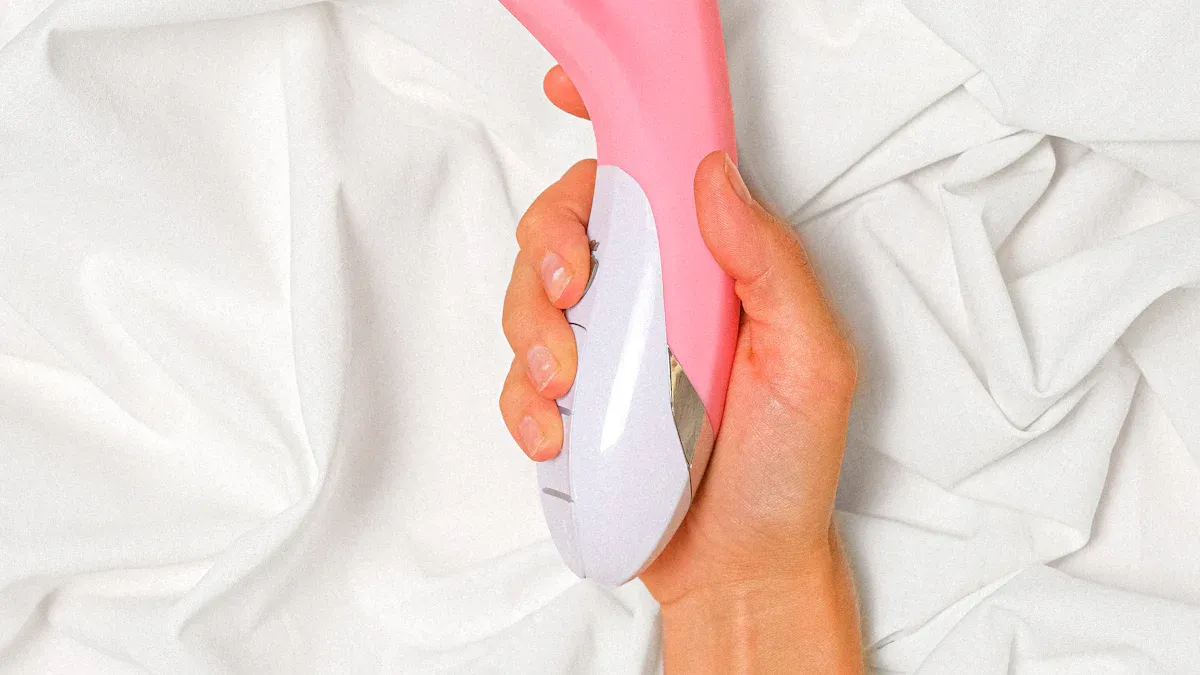

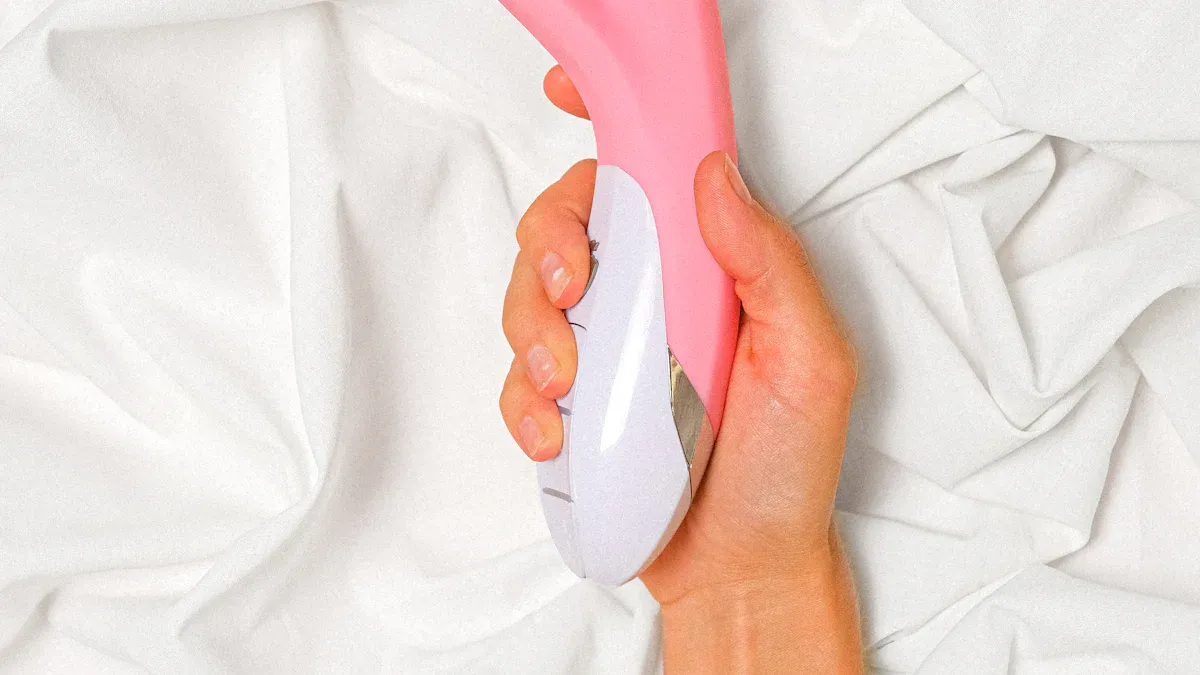
You might feel uncertain about intimacy after surgery or trauma, but gentle sex toys can help you reconnect with your body in a safe way. Many people notice benefits like improved circulation, pain relief, and faster recovery when using soft devices, including anal beads, during healing. Here’s a quick look at how these toys can support you:
| Benefit | Description |
|---|---|
| Improve Circulation | Gentle stimulation boosts blood flow, which helps your body heal. |
| Relieve Pain | Soft toys can ease discomfort, especially for pelvic pain or tight muscles. |
| Aid in Recovery | Increased blood flow encourages tissue repair and sensation. |
Always check with your healthcare provider before exploring new options. Your comfort and safety matter most.
Key Takeaways
- Gentle sex toys can improve circulation and aid recovery after surgery, helping your body heal faster.
- Using soft toys can relieve pain and reduce anxiety, making intimacy more comfortable during recovery.
- Always consult your healthcare provider before using any toys to ensure safety and proper healing.
- Take your time to explore your body again. Start with gentle touch and listen to your comfort levels.
- Open communication with your partner is key. Discuss feelings and boundaries to rebuild intimacy together.
- Practice self-compassion during your healing journey. Celebrate small steps and be patient with yourself.
- Create a comfortable environment for intimacy. Use soft lighting and calming music to enhance relaxation.
- Mindfulness can help you reconnect with your body. Focus on sensations and emotions to enjoy the moment.
Gentle Toys and Healing
Physical Recovery Benefits
After surgery or trauma, your body needs time and gentle care to heal. Soft sex toys, such as vibrators and anal beads, can play a surprising role in your recovery. When you use these toys with care, you help your body in several ways:
- You increase blood flow and keep tissues healthy.
- You reduce stress and anxiety, which supports healing.
- You may notice less inflammation and pain in the surgical area.
- You release endorphins, which boost your mood and physical comfort.
- You distract yourself from discomfort during recovery.
- You help maintain muscle tone in the affected area.
Tip: Always use water-based lubrication, especially if you experience dryness after surgery or cancer treatment. This makes the experience smoother and more comfortable.
Healthcare professionals often recommend gentle toys for people recovering from gender confirmation surgery or pelvic procedures. For example, vaginal dilators can help stretch tissue gently, making it easier to return to intimacy. Anal beads can also support muscle tone and awareness, especially if you explore them slowly and listen to your body.
Here’s a quick look at how gentle toys can support your physical recovery:
| Benefit | How It Helps You Heal |
|---|---|
| Improved Circulation | Boosts blood flow and tissue repair |
| Pain Relief | Eases discomfort and reduces inflammation |
| Muscle Maintenance | Keeps pelvic muscles active and healthy |
| Mood Enhancement | Releases endorphins for better well-being |
If you want more information about post-surgical recovery, check out resources from Planned Parenthood or the American Cancer Society.
Emotional Support
Healing isn’t just about your body. Your emotions matter, too. Using gentle toys can help you rebuild sexual confidence and manage anxiety about intimacy. Many people find that solo exploration with soft toys or anal beads gives them a safe space to rediscover pleasure.
- You can rebuild sexual confidence through small, controlled experiences.
- You manage anxiety and fear by taking things at your own pace.
- You create a safe environment for self-exploration.
Clinical studies show that sexual satisfaction links closely to mental well-being. Orgasms release chemicals like dopamine and serotonin, which help you relax and feel happier. One study found that women with higher sexual satisfaction reported lower levels of depression and anxiety. If you want to learn more, you can read about sexual health and mental wellness on Psychology Today or follow supportive communities on Reddit’s r/sex.
Note: It’s normal to feel nervous or unsure. Take your time and celebrate small steps forward.
Reconnecting with Your Body
After surgery, your relationship with your body might feel different. Gentle toys can help you explore new sensations and build self-acceptance. Healthcare professionals suggest experimenting with different positions and light touch to discover what feels good now.
- Try using vaginal dilators or anal beads for gentle stretching and muscle awareness.
- Use water-based lube to make things more comfortable.
- Explore new positions or types of touch to learn about your body’s needs.
You might find that your preferences have changed. That’s okay. The goal is to reconnect with your body in a way that feels safe and positive. Many people share their journeys on social media, offering tips and encouragement. You can find stories and advice on platforms like Instagram or Twitter.
“I started with a small, soft vibrator and some anal beads after my surgery. At first, I felt nervous, but I learned to listen to my body. Now, I feel more confident and connected than ever.” — Community member
Remember, your journey is unique. Gentle exploration can help you heal, both physically and emotionally.
Sexual Wellness in Recovery
Intimacy and Healing
You might wonder if intimacy can really help you heal after surgery. The answer is yes—sexual wellness plays a big role in your recovery journey. When you nurture intimacy, you support both your body and your mind. Research shows that women who have genital surgery often report better sexual wellness, which leads to improved emotional well-being and less sexual anxiety. Many people say these changes boost their self-confidence and help them feel more connected to pleasure.
If you’ve had a mastectomy or similar procedure, you may notice changes in how you feel about your body. Studies reveal that many women experience challenges with body image and sexual health after surgery. Addressing sexual wellness as part of your recovery plan can make a real difference. You might start by holding hands, cuddling, or sharing gentle touch. These small steps can help you rebuild trust with your body and your partner.
Tip: Try setting aside time for non-sexual intimacy, like watching a movie together or giving each other a massage. This can help you feel close without pressure.
Overcoming Fears
It’s normal to feel nervous about resuming intimacy after surgery. Many people worry about pain, physical damage, emotional vulnerability, or changes in body image. You’re not alone in these feelings. Here are some common fears and ways to address them:
- Anxiety about pain or discomfort
- Worries about causing physical harm
- Feeling emotionally exposed
- Concerns about body image
You can take steps to overcome these fears:
- Start with open communication. Talk honestly with your partner about your feelings and boundaries.
- Focus on emotional intimacy first. Enjoy hugs, kisses, or just being close.
- Go slowly and be patient. Take small steps and celebrate progress.
- Address physical concerns with your healthcare provider.
- Explore new forms of intimacy that feel good to you.
Maintaining intimacy during recovery is especially important for LGBTQ+ individuals. It gives you space to explore your sexuality, set boundaries, and experience connection without shame. This process builds self-acceptance and confidence, which can lead to healthier relationships and better sexual experiences. You can find supportive communities and advice on Scarleteen or join conversations on Reddit’s r/sex.
Self-Compassion
Healing takes time, and it’s easy to feel frustrated or impatient. Practicing self-compassion can help you treat yourself with kindness and patience. Psychological research shows that self-compassion improves emotional and physical outcomes for people recovering from surgery. It can lower depression and stress, and boost your quality of life.
| Study | Findings |
|---|---|
| Wang et al. (2025) | Self-compassion helps patients treat themselves with acceptance and care. |
| Dryer et al. (2022) | Self-compassion offsets negative impacts on quality of life. |
| Kılıç et al. (2021) | Mindfulness-based self-compassion enhances emotional well-being. |
You might try mindfulness exercises, journaling, or simply reminding yourself that healing is a journey. If you need extra support, reach out to a counselor or join online groups like The Mighty for encouragement.
Remember, every step you take—no matter how small—counts toward your recovery. Give yourself credit for your progress and allow yourself to heal at your own pace.
Safety and Timing
Medical Guidance
Your health always comes first when you think about intimacy after surgery. Before you try any sex toys, talk with your doctor or surgeon. They know your medical history and can give you the best advice for your situation. Most healthcare professionals suggest waiting until your incisions heal and you get medical clearance. You should also ask about any restrictions or recommendations for sexual activity and toy use.
Here are some key points to remember:
- Always consult your healthcare provider before using sex toys post-surgery.
- Wait until your doctor confirms your incisions have healed.
- Start with gentle stimulation and increase intensity only if you feel comfortable.
- If you notice pain, discomfort, or bleeding, stop right away and give yourself more time to recover.
Tip: Your doctor can help you set realistic expectations for your recovery timeline. You can also find helpful information from Mayo Clinic or Planned Parenthood.
Case Study:
After abdominal surgery, Jamie wanted to reconnect with their body. Jamie waited for their surgeon’s approval before trying any toys. They started with a soft, flexible vibrator and used plenty of water-based lube. Jamie listened to their body and stopped if anything felt off. This careful approach helped Jamie avoid complications and build confidence.
Listening to Your Body
Your body gives you important signals during recovery. Comfort should always guide your actions. If you feel pain, that’s your body’s way of telling you to pause. Avoid positions or movements that put pressure on surgical areas. You might notice you feel ready for gentle intimacy when you have:
- No pain during movement
- Comfortable mobility
- Properly healed incisions
- Emotional readiness
Start slow. Begin with gentle touch or light stimulation. If you feel any discomfort, stop and try again another day. Emotional readiness matters just as much as physical healing. Trust yourself and move at your own pace.
| Sign You’re Ready | What It Means |
|---|---|
| No pain | Your body feels comfortable |
| Healed incisions | Lower risk of complications |
| Emotional comfort | You feel safe and relaxed |
Note: If you ever feel unsure, reach out to your healthcare provider or join supportive communities like Reddit’s r/sex for advice.
Hygiene Tips
Staying clean keeps you safe during recovery. Regularly clean both your toys and the surgical area. Use protection, like condoms on toys, to prevent infections. Watch for any signs of complications, such as redness, swelling, or unusual discharge.
Cleaning and Storage
- Wash toys with warm water and mild, unscented soap before and after each use.
- Dry toys completely before storing them in a clean, dry place.
- Store toys in a fabric pouch or container to keep them dust-free.
- Clean the surgical area gently as directed by your doctor.
Hypoallergenic Materials
Choose toys made from hypoallergenic materials, such as medical-grade silicone or glass. These materials lower your risk of irritation and infection. Avoid porous materials, which can trap bacteria.
Tip: Ask your healthcare provider about safe materials for your body. You can also find more hygiene tips from Scarleteen and The American Sexual Health Association.
By following these steps, you protect your health and make your recovery journey smoother. Always listen to your body and seek support when you need it.
Choosing Gentle Toys
Finding the right gentle toys can make your recovery journey smoother and more enjoyable. You want toys that feel comfortable, safe, and easy to use. Let’s break down what to look for and how to make the best choice for your healing body.
Features to Consider
Softness and Flexibility
You want toys that feel gentle against your skin and adapt to your body’s needs. Soft, flexible toys reduce the risk of discomfort or injury. Many people recovering from surgery prefer seamless silicone toys with tapered tips. These designs help with gentle insertion and stretching, which is especially helpful if you’re using toys like anal beads or dilators.
- Choose toys with a smooth, seamless surface.
- Look for flexible shafts or beads that move with your body.
- Prioritize comfort and ease of use, especially if you’re new to toys after surgery.
Discreet Design
A discreet toy can help you feel more relaxed and confident. Many gentle toys come in compact shapes or quiet designs, so you can explore without worry. Discreet toys are also easier to store and clean, which is important for your recovery.
Tip: If you’re concerned about privacy, look for toys with quiet motors or non-vibrating options.
| Feature | Why It Matters During Recovery |
|---|---|
| Softness | Prevents irritation and supports healing |
| Flexibility | Adapts to your body’s unique needs |
| Discreet Design | Reduces anxiety and makes storage simple |
Recommended Toy Types
Vibrators
Vibrators can offer gentle stimulation and help you reconnect with pleasure. Many people find that soft, silicone vibrators designed for clitoral or external use work best during recovery. These toys can boost circulation and help you explore sensation at your own pace. Always start with the lowest setting and increase only if you feel comfortable.
Anal Beads
Anal beads can support gentle stretching and muscle awareness. If you’re curious about anal play, choose beads made from medical-grade silicone. This material is body-safe and easy to clean. Start with the smallest size and use plenty of water-based lubricant. Move slowly and listen to your body. Anal beads can help you maintain muscle tone and explore new sensations without pressure.
Note: You can find more advice and community stories about gentle toys on Scarleteen and Reddit’s r/sex.
| Toy Type | Best For | Safety Tips |
|---|---|---|
| Vibrators | External stimulation | Use lowest setting, choose silicone material |
| Anal Beads | Gentle stretching, muscle tone | Start small, use water-based lube |
Avoiding Irritants
Your healing body needs extra care. Some materials and products can cause irritation or even harm. Here’s what to avoid:
- Skip toys made from latex or rubber, as they can trigger allergies.
- Avoid porous materials, which can trap bacteria and lead to infection.
- Steer clear of toys with phthalates or harmful plastics.
- Don’t use bath bombs, glitter, or scented products near sensitive areas.
- Use only water-based lubricants. Avoid flavored or scented lubes, and never use those with nonoxynol-9, which can irritate healing tissue.
Always check that your toys are labeled as body-safe and approved for sexual use. For more on safe materials, visit The American Sexual Health Association.
Case Study:
After pelvic surgery, Alex wanted to try anal beads for gentle stretching. Alex chose a set made from 100% medical-grade silicone, started with the smallest bead, and used plenty of water-based lube. Alex avoided any toys with rubber or plastic. By moving slowly and listening to their body, Alex felt safe and gradually built confidence.
Choosing the right gentle toys can help you heal, explore, and reconnect with your body. Take your time, do your research, and reach out to supportive communities if you have questions.
Emotional Healing
Patience and Expectations
Healing after surgery takes time, especially when it comes to intimacy. You might feel eager to get back to your old routine, but your body and mind need patience. Many people expect to resume sexual activity quickly, but studies show that about 40% of patients do not meet their expectations for intimacy one year after surgery. Setting realistic goals can help you avoid disappointment and support your recovery.
| Expectation Challenge | Details |
|---|---|
| Unfulfilled Expectations | 40% of patients did not meet their sexual activity goals after surgery. |
| Functional Recovery | Meeting expectations linked to better recovery scores. |
| Importance of Education | Tailored education helps set realistic expectations. |
You can help yourself by learning about the healing process and talking with your healthcare provider. Try not to compare your journey to others. Everyone heals at their own pace. If you use gentle toys like anal beads, start slow and celebrate small milestones. Remember, progress may look different for everyone.
Communication
Open communication with your partner can make a huge difference in your emotional healing. When you talk honestly about your feelings, concerns, and desires, you build trust and understanding. Some couples find it helpful to create a “sexual menu“—a list of activities you both feel comfortable trying. This approach can make conversations about boundaries and desires less stressful.
- You and your partner can express feelings and concerns openly.
- Discussing intimacy through a “sexual menu” can make things more engaging.
- Small gestures, like holding hands or sharing a hug, help rebuild closeness.
You might feel nervous about these conversations, but they can bring you closer together. For more tips on talking about intimacy, check out Scarleteen’s communication guide.
Case Study:
After surgery, Sam and their partner felt distant. They started having weekly check-ins, where they shared their feelings and tried new forms of touch. Over time, they rebuilt trust and found new ways to connect.
Mindful Exploration
Mindfulness can help you reconnect with your body and enjoy intimacy again. When you focus on the present moment, you notice sensations and emotions without judgment. This practice can ease anxiety and help you discover what feels good now.
- Notice your physical and emotional sensations while breathing deeply.
- Pay attention to your surroundings and the sensations they create.
- If your thoughts wander, gently bring your focus back.
- Center your attention on your breath, inhaling and exhaling slowly.
You can try mindful touch with or without toys. For example, explore gentle sensations with anal beads or a soft vibrator, focusing on how your body responds. If you want to learn more about mindfulness and sexuality, visit Mindful.org’s guide to mindful sex.
Healing is a journey. Give yourself time, talk openly, and explore with curiosity. Every step you take brings you closer to feeling whole again.
Partner Reconnection

Open Dialogue
Talking openly with your partner after surgery can feel scary, but it helps you both heal together. When you share your feelings and listen to each other, you create a safe space for recovery. Relationship experts say that open communication during recovery:
- Fosters understanding between you and your partner.
- Encourages mutual growth and respect.
- Validates each other’s experiences through active listening.
- Helps you develop shared rules for tough conversations, which can prevent arguments.
You might start by setting aside time each week to check in with each other. Ask questions like, “How are you feeling about intimacy?” or “Is there anything you need from me right now?” If you find it hard to talk, you can use resources like Scarleteen’s communication guide or join supportive conversations on Reddit’s r/sex.
“After my surgery, my partner and I started having ‘honesty hours’ every Sunday. We talked about our fears and hopes. It made us feel closer and less alone.” — Community member
Gradual Intimacy
Jumping back into sex right away can feel overwhelming. Instead, take small steps and let intimacy grow at your own pace. Research shows that couples who recover together benefit from:
- Open communication and emotional support.
- Flexible sexual coping, like discussing changes and using gentle toys.
- Regular sexual engagement, even if desire feels low at first.
You can try holding hands, cuddling, or sharing a bath. These moments help rebuild trust and comfort. Some couples create a “yes, no, maybe” list to explore what feels good now. If you want more ideas, check out Planned Parenthood’s intimacy tips or follow supportive threads on Twitter’s #sexualhealing.
| Gradual Intimacy Steps | Benefits |
|---|---|
| Cuddling | Builds comfort and trust |
| Gentle massage | Relieves tension and anxiety |
| Using soft toys | Supports gentle exploration |
| Sharing fantasies | Opens new paths to connection |
Mutual Support
You and your partner both need support during recovery. When you help each other, you boost your chances of healing well. Studies show that mutual support:
- Provides emotional guidance and reassurance.
- Improves how well you both stick to treatment plans.
- Reduces feelings of isolation, which can slow recovery.
Try to celebrate small wins together. Maybe you both cheer when you try a new gentle toy or share a new kind of touch. If you need extra help, consider couple’s counseling or join online communities like The Mighty for advice and encouragement.
Remember, you and your partner are a team. Every step you take together—no matter how small—brings you closer to healing and intimacy.
Case Study:
After a major surgery, Taylor and their partner felt distant. They started with daily check-ins and gentle cuddling. Over time, they added soft toys and shared their feelings about each step. Taylor says, “We learned to support each other, and now our bond feels stronger than ever.”
Positive Experience Tips
Comfort and Setting
Creating a comfortable environment can make a huge difference in your recovery journey. You want to feel safe, relaxed, and in control. Start by choosing a private space where you feel at ease. Dim the lights, play your favorite music, or use soft blankets to set a calming mood. Many people find that small changes in their surroundings help them relax and enjoy the moment.
Here are some ways to boost comfort and positivity:
- Pick toys with gentle designs, especially if you have a history of trauma. Non-penetrative tools can offer pleasure without triggering negative memories.
- Try flavored lubricants for a pleasant sensory experience. These can help you focus on taste and smell, not just touch.
- Practice self-care before and after intimacy. Take a warm bath, meditate, or do gentle stretches.
- Keep up with healthy habits. Eat nourishing foods, stay active, and get enough sleep. These steps support your sexual wellness and overall recovery.
- Avoid smoking and limit alcohol, as these can slow healing and affect your mood.
Tip: You can find more ideas for creating a soothing setting on Reddit’s r/sex or by following #sexualhealing on Instagram.
Body Awareness
Listening to your body is key to a positive experience. You want to notice how you feel, both physically and emotionally, during intimacy. Start with toys made from body-safe materials like medical-grade silicone or stainless steel. These options feel smooth and are easy to clean.
- Always use a high-quality lubricant, such as water-based or hybrid, to keep things comfortable.
- Begin with the smallest size and lowest intensity. Move up only if you feel ready.
- Pay attention to the difference between gentle stretching and pain. If you feel sharp or burning sensations, stop right away.
- Take breaks as needed. There’s no rush—your comfort comes first.
| Body Awareness Tips | Why It Matters |
|---|---|
| Use body-safe materials | Prevents irritation and infection |
| Start small and slow | Reduces risk of discomfort |
| Listen to your body | Helps avoid pain or injury |
Case Study:
Jordan, recovering from pelvic surgery, started with a small, flexible toy and plenty of water-based lube. They checked in with themselves often, noticing how their body responded. When Jordan felt a little discomfort, they paused and tried again another day. Over time, Jordan built confidence and found what felt good.
For more on body awareness and mindful exploration, check out Mindful.org’s guide to mindful sex.
When to Pause
Knowing when to pause is just as important as knowing when to start. You want to protect your healing body and avoid setbacks.
If you feel pain during intimacy, stop and take a break. You don’t want to associate sexual activity with pain. You can switch to another type of intimacy or pause altogether if something doesn’t feel right.
Other signs that it’s time to pause include:
- The surgical site has not fully healed.
- Sutures have not dissolved yet.
- You notice any signs of infection, like redness, swelling, or unusual discharge.
If you ever feel unsure, reach out to your healthcare provider. You can also find support and advice from communities like Scarleteen or The American Sexual Health Association.
Remember, your comfort and safety always come first. Taking breaks is a sign of self-respect, not failure. Every step you take is progress.
You deserve a gentle, safe approach as you rebuild intimacy after surgery. When you take things slow and listen to your body, you set yourself up for long-term benefits:
- You boost your body confidence.
- You enjoy greater sexual satisfaction and emotional well-being.
- You feel more comfortable during intimate moments.
- You deepen your connection with your partner.
Stay patient and kind to yourself. Keep talking openly, seek support when you need it, and remember—your well-being and pleasure matter most. Healing is possible, and you have every right to rediscover joy.
FAQ
How soon can I use gentle toys after surgery?
You should wait until your doctor gives you the green light. Healing times vary. Always check that your incisions have closed and you feel comfortable before trying any toys.
What types of toys are safest during recovery?
Soft, flexible toys made from medical-grade silicone or glass work best. These materials are easy to clean and gentle on sensitive areas. Avoid anything porous or rough.
Can I use toys if I still feel some discomfort?
If you feel pain or discomfort, pause and try again later. Your body needs time to heal. Start slow, use plenty of lube, and listen to your body’s signals.
How do I clean my toys to prevent infection?
Wash toys with warm water and mild, unscented soap before and after each use. Dry them completely and store them in a clean pouch or container.
What if I feel nervous about intimacy after surgery?
Feeling nervous is normal. Take things at your own pace. Try solo exploration first or talk openly with your partner. Support groups and online communities can help.
Are there any signs I should stop using toys and call my doctor?
Yes. Stop if you notice bleeding, swelling, redness, or unusual discharge. Call your doctor if you have pain that doesn’t go away or any signs of infection.
Can gentle toys help with emotional healing?
Yes! Gentle toys can help you rebuild confidence and reconnect with your body. They offer a safe way to explore pleasure and support your emotional recovery.
Do I need to use lubricant with gentle toys?
Absolutely. Lubricant makes everything smoother and more comfortable, especially after surgery. Choose a water-based lube for the safest experience.