Monday to Saturday - 8:00 -17:30



You see the adult industry taking strong action to improve sexual health policies. Safer sex practices matter for everyone, including condom use and products like anal lube.
- Only 3% of heterosexual scenes included condom use for penile-vaginal intercourse.
- Penile-anal intercourse showed 42% condom use in heterosexual scenes and 80% in homosexual scenes.
- No condom use appeared in selected films for penile-oral acts.
| Region | Health Outcomes for Sex Workers | Collaboration Efforts |
|---|---|---|
| Canada | Poorer health than general population | Limited collaboration, social and physical barriers |
| New Zealand | Improved health outcomes, increased access to services | Meaningful inclusion of sex workers in legislation development, Prostitution Reform Act 2003 |
You notice the impact of collaboration between the industry and public health organizations. These efforts affect both performers and the public. Consider how these changes might shape public health for everyone.
Key Takeaways
- The adult industry is pushing for safer sex practices, including mandatory condom use to protect performers from STIs.
- Collaboration between the adult industry and public health organizations leads to better health outcomes for performers and the public.
- Advocacy groups like the Adult Performer Advocacy Committee (APAC) promote the rights and health of performers through resources and support.
- Regular STI screenings are crucial for performers, helping to identify infections early and prevent transmission.
- Public campaigns aim to destigmatize safer sex, encouraging open conversations about consent and healthy relationships.
- Legislative changes, such as age verification laws, help protect young people from exposure to adult content.
- Using products like anal lube can enhance comfort and safety during sex, reducing the risk of STIs.
- You can support sexual health advocacy by participating in community events and sharing your experiences to challenge stigma.
Policy Advocacy Efforts
Mandatory Condom Use
Industry Push and Public Health Recommendations
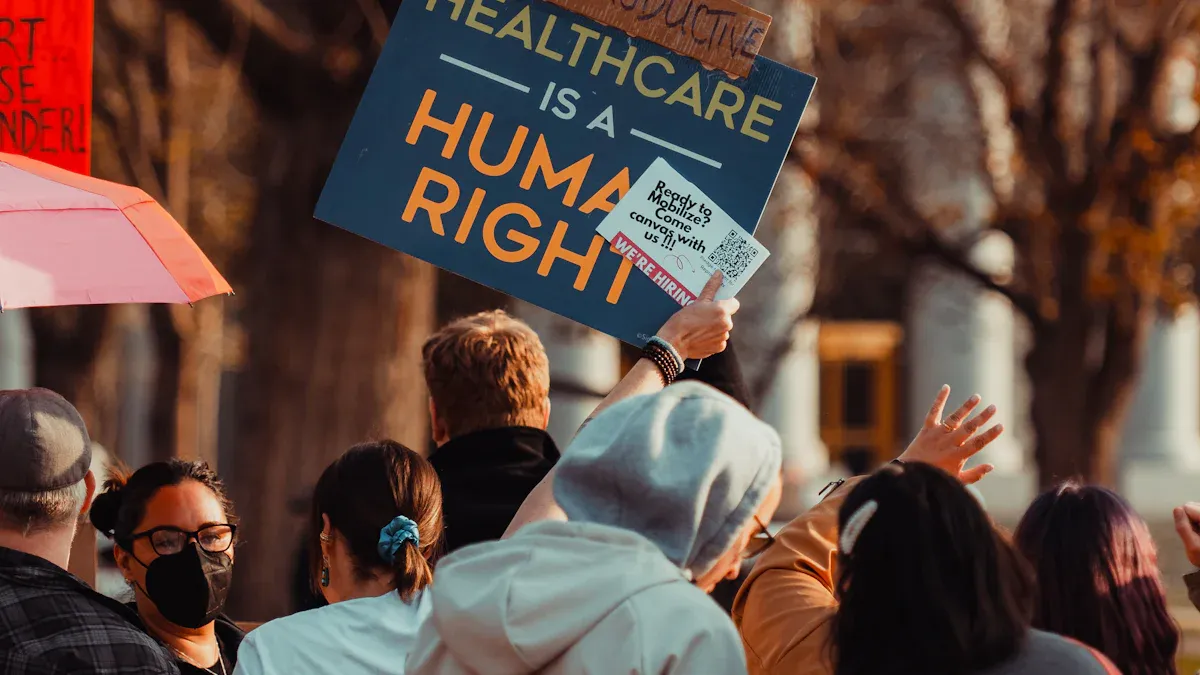
You see adult film production companies taking proactive steps to promote safer sex practices. Many companies keep detailed records for inspection, including documentation of condom use and health training for performers. You notice that some companies prohibit the distribution of adult films without condom use in commercial settings. Films often carry mandatory labeling to indicate compliance with health regulations.
- Public health advocates, such as Michael Weinstein, support mandatory condom use to protect performers from sexually transmitted diseases.
- The adult industry raises concerns that strict regulations could push production underground, threatening the livelihoods of performers.
- Some organizations question the effectiveness of mandatory condom laws, fearing that less regulated environments may emerge.
You can review the effectiveness of these policies in reducing sexually transmitted infections among adult performers. The following table summarizes key findings from recent studies:
| Finding | Odds Ratio (EOR) | Confidence Interval (CI) | P-value |
|---|---|---|---|
| Consistent condom use not significantly associated with STI incidence | 0.75 | 0.43-1.30 | 0.31 |
| Correct and consistent condom use associated with lower odds of acquiring an STI | 0.41 | 0.19-0.90 | 0.026 |
You observe that correct and consistent condom use lowers the odds of acquiring an STI. Behavioral interventions also improve condom use and biological outcomes, especially among clients at STI clinics in the United States.
Legislative Initiatives
You encounter several legislative actions that shape sexual health policy in the adult industry. Laws such as the Fight Online Sex Trafficking Act and the Stop Enabling Sex Traffickers Act (FOSTA-SESTA) have transformed the landscape for sex workers. Since their implementation, these laws have raised concerns about unintended consequences, including increased vulnerability for sex workers.
You find that policymakers and advocates recommend the following actions:
- Decriminalize consensual sex work, removing penalties for both sellers and buyers.
- Protect youth involved in sex work from criminal penalties, while maintaining safeguards against exploitation.
- Eliminate police presence that targets sex workers and profiles transgender individuals.
- Encourage prosecutors to refrain from pursuing charges related to consensual sex work, including those affected by SESTA/FOSTA.
- Prioritize the needs expressed by sex workers to enhance their health and well-being.
You can read more about these legislative efforts and their impact on performer safety at Free Speech Coalition and APAC Twitter.
Advocacy Coalitions
Worker Health and Safety Frameworks
You see advocacy coalitions playing a vital role in shaping sexual health policy within the adult industry. The Adult Performer Advocacy Committee (APAC), established in 2014, advocates for the rights, health, and safety of pornographic actors. APAC was formed by notable performers, highlighting its grassroots nature.
- APAC created the Performer Bill of Rights, which outlines the rights and entitlements of performers.
- The Bill promotes mental, emotional, and physical health for all performers.
- APAC provides resources and guidance to help performers navigate workplace safety and health protocols.
You can explore APAC’s resources and updates on their official website and social media.
Case Studies
You can learn from specific, actionable case studies related to policy advocacy efforts. In California, the adult industry lobbied for changes to the state’s occupational safety standards. You see performers and producers working together to address concerns about mandatory condom use and regular health screenings. These efforts led to more transparent communication between industry stakeholders and public health officials.
Another example comes from New Zealand, where meaningful inclusion of sex workers in legislation development resulted in improved health outcomes. The Prostitution Reform Act of 2003 increased access to services and promoted safer working conditions.
Tip: You can follow ongoing advocacy campaigns and case studies through platforms like Sex Workers Outreach Project USA and Global Network of Sex Work Projects.
You notice that advocacy coalitions continue to push for evidence-based policies, emphasizing the importance of performer health, safety, and dignity.
Education and Awareness
Performer Health Training
Workshops and Resources
You find that performer health training stands as a cornerstone of sexual health advocacy in the adult industry. Many organizations offer workshops that teach you about safer sex practices, regular testing, and the importance of communication. These workshops often include hands-on demonstrations, peer-led discussions, and access to sexual health products such as condoms and anal lube. You see that training programs encourage you to ask questions and share experiences, which helps build trust and confidence.
You can review the most effective performer health training programs in the table below:
| Evidence | Description |
|---|---|
| Mandatory condom use | Initially essential for HIV prevention, but faced legal challenges and limitations in enforcement. |
| Testing protocols | AIM conducted 80,000 HIV tests from 1999 to 2004 without reported transmissions, indicating effectiveness of regular testing. |
| Worker input | Emphasizes the importance of including performers in policy development for better safety measures. |
You notice that regular testing and performer involvement in policy development lead to safer working environments. You can find more resources and updates on performer health training at Adult Performer Advocacy Committee and Sex Workers Outreach Project USA.
Public Campaigns
Destigmatizing Safer Sex
You see public campaigns working to change how people think about safer sex. These campaigns use social media, educational videos, and community outreach to promote open conversations. You learn that sex educators and performers share real-life experiences to help you understand consent and healthy relationships.
“Make Love Not Porn, which features videos of what sex looks like in real life, has similarly struggled to advertise. The videos are posted by everyday people as well as by sex educators looking to teach people about consent and how that shows up in the bedroom.”
You notice that these efforts help you feel more comfortable discussing topics like condom use and anal lube. You can follow ongoing campaigns and join conversations on platforms such as Global Network of Sex Work Projects and APAC Twitter.
Community Events
You find that community events organized by the adult industry provide practical education and support. These events include workshops, peer-led discussions, and health fairs. You see that participants gain confidence and learn new skills for safer sex practices.
The table below shows measurable outcomes from these events:
| Outcome Description | Result | Group |
|---|---|---|
| Increased condom use | Higher likelihood of consistent condom use | MSM and transgender people |
| Collective efficacy | Positive trend observed | Paying partners |
| Increased confidence | Enhanced personal development | Peer educators |
| Increased confidence | Improved confidence among some sex workers | Sex workers |
You observe that these events lead to higher rates of condom use and greater confidence among participants. You can find upcoming community events and educational opportunities through Sex Workers Outreach Project USA and Global Network of Sex Work Projects.
Medical Collaboration
Health Guidelines
STD/HIV Prevention Protocols
You see the adult industry working closely with medical professionals to develop health guidelines that protect performers from sexually transmitted diseases. In Los Angeles, collaboration between Cal/OSHA and industry leaders led to the creation of exposure-control plans. These plans require you to follow strict safety protocols, such as using condoms and other protective measures, to reduce the risk of HIV transmission. Updated Canadian guidelines encourage you to learn about new HIV prevention strategies, including PrEP and PEP. These strategies help you and your peers stay informed and reduce stigma around sexual health. You notice that written injury and illness prevention programs are now standard in many adult film workplaces. These programs focus on practical steps you can take to stay safe, such as regular use of protective barriers and clear reporting procedures for health concerns.
Regular Screenings
You participate in regular screenings for sexually transmitted infections as part of your work in the adult industry. Over a 13-month period, 445 STI screenings took place among 115 performers. Monthly screenings and certification are mandatory, yet you see that STIs remain common because unprotected sex is still practiced. The data shows that 38% of performers received diagnoses for 77 STIs, including gonorrhea, chlamydia, and genital warts. You understand that frequent testing helps identify infections early and prevents further transmission. Many organizations share screening results with public health officials to improve safety standards. You can find more information about screening protocols and health guidelines at Cal/OSHA and CATIE.
| Screening Period | Number of Performers | STI Diagnoses | Common Infections |
|---|---|---|---|
| 13 months | 115 | 77 | Gonorrhea, Chlamydia, Genital Warts |
Research Partnerships
Data Sharing
You benefit from research partnerships that focus on sexual health and safety. The adult industry funds studies to better understand the risks and behaviors of performers and clients. Researchers share data with health professionals to identify trends and improve prevention strategies. You see that clients of adult service providers show high awareness of sexual health, but many do not get tested regularly. Trust in health professionals remains strong, which creates opportunities for new health interventions. Secrecy and stigma still make it hard for you and others to talk openly about health concerns, but ongoing research helps break down these barriers.
- Most clients prefer adult service providers, challenging stereotypes about the market for exploited youth.
- 80% of clients trust health professionals, supporting the need for open communication.
- Lower rates of STI testing among clients highlight gaps in preventive care.
Funding Studies
You notice that the adult industry invests in studies to improve sexual health outcomes. Monthly STD testing for performers is now standard, covering HIV, gonorrhea, and chlamydia. HIV remains rare among performers, but infections like HPV and herpes are more common. Many performers report that condoms are rarely used during filming, which can influence personal practices outside of work. You can access research findings and updates through organizations such as Sex Workers Outreach Project USA and Global Network of Sex Work Projects.
Note: Regular collaboration between the adult industry and medical professionals leads to better health guidelines, more frequent screenings, and ongoing research. You play a key role in supporting these efforts by staying informed and participating in health programs.
Sexual Health Products and Safety
Anal Lube and Safer Sex
Promoting Product Use
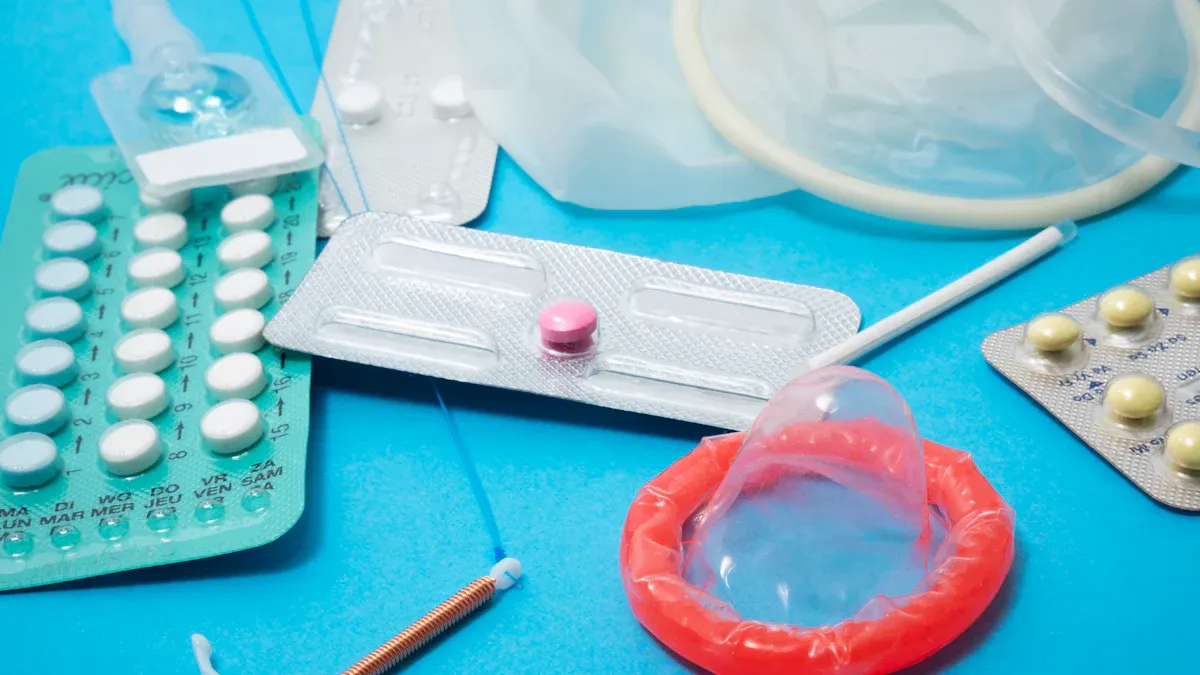
You play a key role in making sexual health safer by choosing the right products. Anal lube stands out as an important tool for reducing discomfort and supporting safer sex practices. Many adult industry professionals encourage you to use anal lube during scenes, especially for anal intercourse. This product helps lower friction, which can reduce the risk of small tears in the skin. These tears can increase the chance of sexually transmitted infections (STIs).
- Studies show that lubricants improve comfort and pleasure during sex.
- Some research finds that lubricant use can reduce pain, though results vary.
- Lubricants do not directly lower the risk of HPV, but they support overall sexual well-being.
You see adult film sets often provide a range of sexual health products, including condoms and anal lube, to performers. This practice helps normalize their use and encourages you to make safer choices in your own life. You can learn more about sexual health products and best practices from organizations like the Free Speech Coalition and APAC Twitter.
Education on Proper Application
Knowing how to use anal lube correctly makes a big difference in your experience and safety. You should always apply a generous amount before any anal activity. Water-based lubes work well with condoms and are easy to clean up. Silicone-based lubes last longer and provide extra comfort, but you should avoid using them with silicone toys.
Tip: Always check the label to make sure your lube is compatible with condoms and any toys you use.
Workshops and online resources from groups like Sex Workers Outreach Project USA offer step-by-step guides and demonstrations. These resources help you understand the importance of using enough lube and reapplying as needed. You can also join community events to practice safer sex skills and ask questions in a supportive environment.
Bridging Pleasure and Health
The Pleasure Project’s Role
You see a growing movement to connect pleasure with sexual health. The adult industry now frames pleasure as a vital part of self-care. This approach helps you see sexual health products, like anal lube, as essential tools for your well-being. By talking openly about pleasure, you help break down stigma and make it easier for others to seek out information and products.
- The industry works with health and wellness brands to promote sexual health as part of holistic care.
- Pleasure-based education programs reach a wide range of people and support diversity in sexual health.
The Pleasure Project leads the way in this area. Through programs like PleasurEd, you can attend free workshops and classes that focus on pleasure, safety, and self-care. Since 2008, these programs have reached over 30,000 people and offered more than 1,500 educational sessions. You can find upcoming events and resources through Global Network of Sex Work Projects and APAC Twitter.
| Program | Number of Classes | Attendees | Focus Areas |
|---|---|---|---|
| PleasurEd | 1,500+ | 30,000+ | Pleasure, safety, diversity |
You help shape a culture where pleasure and safety go hand in hand. By staying informed and using products like anal lube, you support both your own health and the health of your community.
Impact and Outcomes
Policy Changes
Legislative Successes
You see significant policy changes shaping the adult industry and sexual health advocacy. Lawmakers now recognize the importance of protecting young people from exposure to adult content. Age verification legislation stands out as a major achievement. Dr. Gail Dines highlights that these laws address the previously unregulated nature of the industry, which affected youth across many communities. Child protection advocates, such as John Carr, note that policy discussions about safeguarding children from pornography have become common in democratic societies. You notice that the UK and several U.S. states have implemented age verification laws. These changes reflect the direct impact of advocacy efforts and show how you can help create safer environments for young people.
- Age verification laws now require platforms to confirm users’ ages before granting access to adult content.
- Policymakers prioritize child protection in legislative debates.
- Advocacy groups influence the development and enforcement of these laws.
Health Improvements
Performer Testimonials
You hear performers sharing their experiences with recent policy changes. Many express frustration when others speak for them without understanding their work. You learn that performers want their voices included in health discussions. One performer describes the absurdity of outsiders making decisions about their safety. You see that performers advocate for self-regulation and take proactive steps to protect their health. They challenge the perception of being objectified and compare their work to other professions, asking for fair treatment. You recognize that performer-led initiatives improve safety and foster a sense of empowerment.
- Performers demand representation in policy decisions.
- You observe performers organizing health workshops and peer support groups.
- Many take responsibility for their own safety, setting industry standards.
Public Health Data
You can measure the broader impact of advocacy through public health data. Presentations and accepted abstracts at international conferences have increased, showing greater acceptance of pleasure-focused sexual health education. The following table highlights this trend:
| Year | Presentations on Pleasure and Safer Sex | Accepted Abstracts | Rapporteur Reports |
|---|---|---|---|
| 2006 | 0 | 15 | 1 |
| 2008 | 11 | 20 | 3 |
You notice that, in earlier years, organizations faced warnings about showing erotic films at conferences. By 2008, attendees actively sought out these presentations, reflecting a shift in attitudes. International conferences now invite advocacy groups to contribute to key sessions, demonstrating growing influence.
Note: Integrating pleasure into safer sex practices can enhance condom use and overall sexual health. Qualitative research suggests that pleasure-focused interventions may improve outcomes, but you need more rigorous studies to confirm these effects, especially in high-risk settings.
You see that advocacy efforts lead to policy changes, empower performers, and improve public health outcomes. You can follow updates and access more data through platforms like Global Network of Sex Work Projects and Sex Workers Outreach Project USA.
Challenges and Future Goals
Overcoming Stigma
Public Perception
You face persistent stigma when you advocate for sexual health in the adult industry. Many people still hold misconceptions about sex work and adult entertainment. You may feel nervous when you speak with authority figures or healthcare professionals. Nova Hawthorne, a sex worker and social worker, describes how intimidating these interactions can be. She shares that her health concerns have sometimes been dismissed or ignored. Harper, another advocate, points out that medical appointments often become awkward social exchanges instead of professional interactions. You need clinicians who treat you with respect and openness. When a provider admits surprise but offers to help, you feel more comfortable and supported.
- You may worry that your work will not be taken seriously.
- You might experience awkwardness during medical visits.
- You benefit when professionals respond with empathy and a willingness to learn.
You can help shift public perception by sharing your experiences and encouraging open conversations. Advocacy groups like Sex Workers Outreach Project USA and Global Network of Sex Work Projects offer resources to help you challenge stigma and educate others.
Legal Barriers
Regulatory Hurdles
You encounter legal barriers that make it difficult to promote sexual health and safety. Laws in different countries affect your access to healthcare and support. The Protection of Communities and Exploited Persons Act in Canada increases stigma and limits your access to health resources. The Nordic Model in Norway and Sweden also raises risks for violence and poor health outcomes. In contrast, legalization in the Netherlands recognizes sex work as a legitimate occupation, giving you rights and protections.
| Legislative Approach | Impact on Sexual Health Policies | Stigma and Access to Healthcare |
|---|---|---|
| Canada (Protection Act) | Exacerbates stigma, limits access | High fear of discrimination and legal repercussions |
| Norway/Sweden (Nordic Model) | Focuses on ending demand, increases risks | Increased violence and poor health outcomes |
| Netherlands (Legalization) | Recognizes sex work, improves support | Provides rights and protections |
You also face regulatory hurdles within the industry. OSHA’s enforcement relies on complaints, so many violations go unreported. You may not know your rights or fear retaliation if you speak up. Local regulations often lack the scope needed for effective protection. Unsafe portrayals in adult films can influence risky behavior among viewers.
| Evidence Description | Key Points |
|---|---|
| Limited enforcement of existing regulations | OSHA’s enforcement is complaint-driven, leading to underreporting of violations. |
| Lack of awareness among workers about their rights | Many workers do not know their rights or fear retaliation for reporting issues. |
| Need for comprehensive legislation | Current local regulations are insufficient; state and federal laws are necessary for enforcement. |
| Influence of adult films on viewer behavior | Unsafe portrayals in films may lead to increased risky sexual behavior among viewers. |
Next Steps
Expanding Advocacy
You can expand advocacy by building stronger coalitions and sharing knowledge. You help create safer environments when you participate in workshops, peer support groups, and public campaigns. You can encourage others to join advocacy organizations and attend community events. By working together, you increase your impact and push for evidence-based policies.
- You organize educational workshops for performers and the public.
- You support research partnerships to improve sexual health guidelines.
- You promote open dialogue between industry leaders and health professionals.
Calls to Action
You play a vital role in shaping the future of sexual health advocacy. You can:
- Speak up about your experiences to challenge stigma.
- Learn your rights and share information with your peers.
- Support comprehensive legislation that protects your health and safety.
- Join advocacy groups and participate in community events.
- Encourage respectful and open communication with healthcare providers.
Note: You help drive change when you stay informed, advocate for your needs, and support others in the industry. Your actions contribute to a safer, healthier future for everyone.
You see the adult industry leading efforts to improve sexual health policies. You benefit from ongoing collaboration and education. To strengthen these outcomes, you can:
- Support national leadership and multisectoral partnerships.
- Build dynamic relationships across sectors.
- Advance research and surveillance.
- Promote policies that increase access to health services.
- Ensure training for health professionals.
- Raise awareness through education.
You help shape a safer future by supporting these actions and advocating for policy reform.
FAQ
What role do advocacy groups play in improving sexual health policies?
You see advocacy groups organizing workshops, lobbying for policy changes, and providing resources. These groups help you understand your rights and promote safer sex practices. You can follow updates from Sex Workers Outreach Project USA and Global Network of Sex Work Projects.
How does regular STI screening benefit you as a performer?
You lower your risk of spreading infections by participating in regular screenings. Early detection helps you access treatment quickly. Many organizations require monthly testing, which improves overall health and safety in the industry.
What are the main challenges you face in advocating for sexual health?
You encounter stigma, legal barriers, and limited access to healthcare. Some laws increase risks and restrict support. Advocacy groups work to change public perception and push for comprehensive legislation. You can read more about these challenges at Free Speech Coalition.
How do safer sex products, like anal lube, support your health?
You reduce discomfort and lower the risk of skin tears by using anal lube. This practice helps prevent sexually transmitted infections. Workshops teach you how to use these products correctly, making safer sex easier and more comfortable.
Can you participate in sexual health education if you are not a performer?
You can join community events, attend workshops, and access online resources. Many advocacy groups welcome everyone interested in sexual health. You help spread awareness and support safer practices by getting involved.
What impact have policy changes had on performer safety?
You see improved safety standards, increased access to health services, and greater representation of performer voices. Legislative successes, such as age verification laws, protect young people and promote responsible content distribution.
| Policy Change | Positive Impact |
|---|---|
| Age Verification | Protects youth, ensures safety |
| Decriminalization | Reduces stigma, improves access |
| Health Guidelines | Lowers infection rates |
Where can you find reliable information about sexual health advocacy?
You can visit authoritative platforms like APAC Twitter, Cal/OSHA, and CATIE. These sources offer updates, guidelines, and educational materials for performers and the public.
How can you help reduce stigma around sexual health in the adult industry?
You share your experiences, support open conversations, and encourage respectful treatment from healthcare providers. Advocacy groups offer resources and community support to help you challenge misconceptions and educate others.
Tip: You make a difference by speaking up and joining advocacy campaigns.