Monday to Saturday - 8:00 -17:30



Sexual health stands at the heart of your overall well-being today. Many people now see it as vital to happiness and self-confidence. In a recent US study, half of sexually active men and 40% of women rated sexual health as highly important. When you feel good about your sexual health, you often feel better in other areas too. Products like lubricants and even anal beads now appear in mainstream stores, showing just how far things have come. Take a moment to think about how this shift could change your own wellness journey.
Key Takeaways
- Sexual health is essential for overall well-being and happiness. Prioritize it to enhance your life.
- Holistic sexual well-being includes emotional, relational, and physical health. Embrace it for a balanced life.
- Open conversations about sexual health reduce stigma. Share your thoughts to help others feel comfortable.
- Younger generations are leading the change in attitudes towards sexual health. Stay informed and engaged.
- Sexual wellness products are now widely available. Explore options that fit your needs and preferences.
- Education and transparency from brands build trust. Look for clear information when choosing products.
- Community support enhances your sexual health journey. Join groups or forums to connect with others.
- Embrace the normalization of sexual wellness. Your openness can inspire others to prioritize their health.
Sexual Health in Wellness
Redefining Wellness
You might think of wellness as eating right, exercising, or getting enough sleep. Today, wellness means much more. Sexual health now sits at the center of this conversation. When you take care of your sexual well-being, you support your mind and body together. This shift helps you see sexual health as a positive part of life, not something to hide or feel embarrassed about.
Did you know? Sexual wellbeing is recognized as a vital aspect of public health. It contributes to the health of entire communities, not just individuals. Studies show that when people feel good about their sexual health, they engage more with their community and trust local health systems.
You can see this change in the products you find at your local store. Items like lubricants and anal beads are no longer hidden away. They are part of the wellness aisle, right next to vitamins and skincare. This visibility helps everyone feel more comfortable talking about sexual health and seeking support when needed.
- Sexual wellbeing influences community health engagement.
- Over the years, more people have recognized the importance of sexual activity for personal happiness.
- Public health experts now include sexual health in their efforts to reduce health gaps and build trust.
Holistic Sexual Well-being
Sexual health is not just about your body. It includes your emotions, your relationships, and your sense of self. Leading health organizations describe holistic sexual well-being as a mix of sexual health, pleasure, quality of life, and justice. You are a sexual being, just like everyone else. Yet, many people grow up with shame or secrecy around this topic. This can limit your understanding and make it harder to get the support you need.
When you make sexual health a priority, you can see real benefits in your daily life. For example, you might notice less stress and anxiety. Your mood may improve, and you could feel more confident in your body. Good sexual health can even help you build stronger relationships by improving trust and communication.
- Lower stress and anxiety through the release of endorphins and oxytocin.
- Better mood from higher serotonin and dopamine levels.
- Higher self-esteem and a more positive body image.
- Stronger relationships with open communication.
A recent review found that people who feel satisfied with their sexual health report less depression and more life satisfaction. They also tend to have better overall health. If you want to improve your wellness, start by including sexual health in your self-care routine. Try talking openly with your partner, exploring new products, or learning more about your own needs. You deserve to feel good—inside and out.
Breaking Stigma

Historical Barriers
You might wonder why talking about sexual health felt so difficult in the past. Many people faced strong barriers that kept these conversations hidden. For example, community pressure often discouraged open discussions. People worried about being judged or labeled if they asked questions or sought help. Some groups, like migrant workers, felt this even more. They often had little support from organizations that should have helped them. In some places, society expected you to focus on work and ignore your own sexual health needs.
- Community pressure made people fear judgment for seeking sexual health information.
- Many organizations overlooked the sexual health needs of vulnerable groups.
- Societal attitudes suggested you should put work before your own well-being.
These barriers created silence and shame. You might have felt alone or confused about your own needs. Even today, some of these challenges remain, but things are changing fast.
Changing Attitudes
Over the past decade, you can see a real shift in how people think about sexual health. More people now accept premarital sex. In the 2000s, about 49% of people felt comfortable with it. By the 2010s, that number grew to 55%. Younger generations lead the way in accepting same-sex relationships. In the 2010s, 56% of Millennials said same-sex sexual activity was “not wrong at all.” People also report having more sexual partners and feel less tied to old rules about sex.
- Acceptance of premarital sex rose from 49% to 55% in just ten years.
- Millennials show much higher acceptance of same-sex relationships.
- The average number of sexual partners increased from 7.17 in the late 1980s to 11.22 in the 2010s.
- More young adults feel comfortable with casual sex.
You can see these changes reflected in public policy and education. Schools and health programs now talk more openly about sexual health. Cultural norms are shifting toward individual choice and self-care. If you want to explore more, check out Pew Research Center’s reports on changing attitudes.
Open Conversations
Today, you have more ways to talk about sexual health than ever before. Social media plays a big role. Young people use platforms like Instagram and TikTok to share information and ask questions. You might see posts that use humor or relatable stories to make the topic less awkward. These posts often spark real conversations among friends, both online and offline.
- Social media helps you find sexual health information in a fun, engaging way.
- Friends talk about relationships and sex more openly, even if privacy concerns remain.
- Posts can start group discussions and help break down old taboos.
Tip: If you want to join the conversation, look for trusted sources on social media or follow health organizations. You can also check out forums like Reddit’s r/sex for honest discussions.
You don’t have to feel alone or ashamed. Open conversations help everyone learn and grow. When you talk about sexual health, you help break the stigma for yourself and others.
Drivers of Change
Cultural Shifts
You probably notice that sexual wellness feels more visible and accepted than ever before. This change comes from a bigger focus on self-care and overall well-being. People now see sexual health as part of their daily routines, just like exercise or skincare. You can find sexual wellness products, including anal beads, right next to vitamins and bath salts in many stores. This new placement helps break down old taboos and makes these items feel normal.
- Sexual wellness is now part of self-care for many people.
- The stigma around sexual wellness products is fading fast.
- More people feel comfortable buying these products. In a recent survey, 45% of people said they would buy sexual wellness items, compared to only 30% in the past.
- Media and social platforms talk about sexual health more openly, which helps everyone feel included.
- Experts predict a 40% growth in sales of sexual wellness products in the coming years.
You see these changes in the way society talks about sex and relationships. Conversations about pleasure, consent, and body positivity are everywhere—from TV shows to TikTok. This shift empowers you to take charge of your own wellness journey.
Role of Women
Women have played a huge part in changing the sexual wellness industry. You see more women leading conversations about pleasure and health. They push for products that focus on comfort, safety, and real needs. Many new brands have doubled their growth and expanded their teams in just a few years. Some companies have raised millions to create new products, like at-home STI testing kits and ingestible gummies.
- Women-led innovation puts pleasure at the center of sexual health.
- These leaders help remove shame and encourage open discussion.
- You can now find a wider range of products in major stores, making them easier to access.
- The market for sexual wellness is expected to reach over $125 billion in the next few years.
This movement helps you see pleasure as a normal and healthy part of life. You might notice more honest ads, better education, and products designed for everyone.
Influence of Younger Generations
Younger generations drive much of this change. If you’re part of Gen Z or a Millennial, you probably grew up with open conversations about gender, relationships, and sexual health. You have access to more information than any generation before you. Social media, online forums, and global news shape your views and make you more accepting of different lifestyles.
- Younger people often have more progressive attitudes about sex and relationships.
- You learn about sexual health from school, the internet, and even advocacy groups.
- Access to digital resources helps you make informed choices about your body and relationships.
- Social movements and increased awareness about gender equality influence your beliefs.
You see sexual wellness as part of your overall health, not something to hide. This attitude helps normalize products like anal beads and encourages everyone to talk openly about their needs. If you want to explore more, check out resources from the American Sexual Health Association or follow trusted voices on social media.
Mainstream Sexual Wellness Products
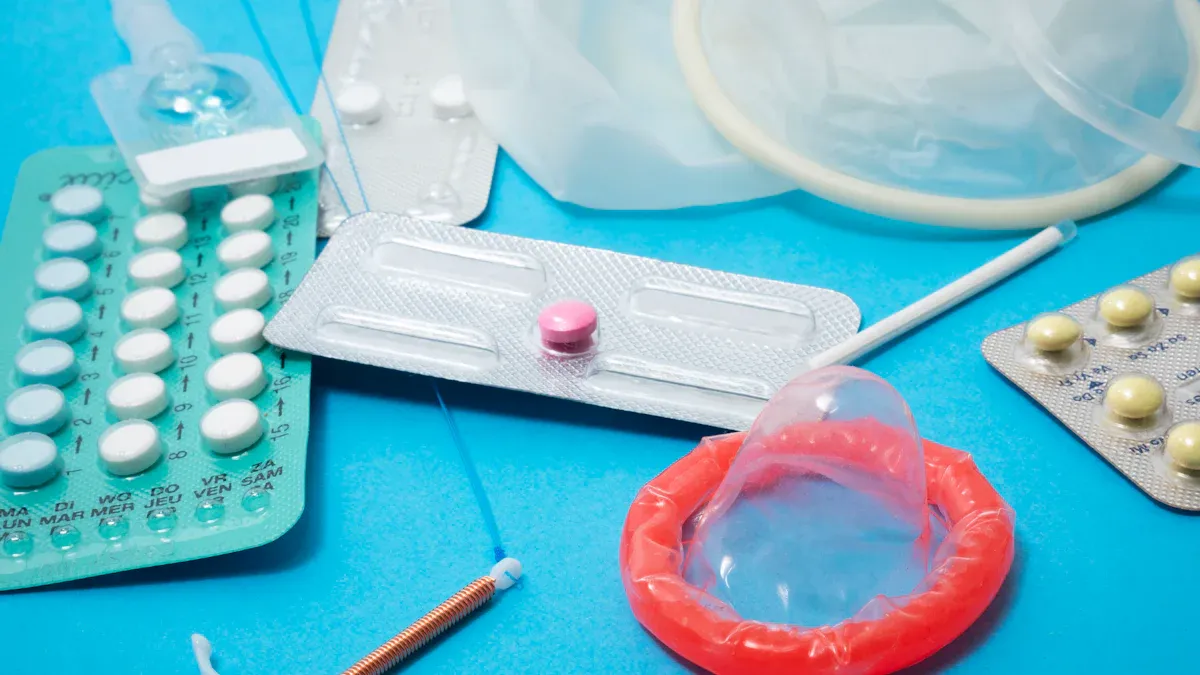
Sexual wellness products have moved from hidden shelves to the center of the wellness aisle. You now find them in big-box stores, pharmacies, and even online marketplaces. This shift makes it easier for you to explore, learn, and choose what fits your needs. Let’s break down the most popular categories and see how they’re changing the way you think about sexual health.
Lubricants and Arousal Oils
Lubricants have become a staple in many people’s self-care routines. You might reach for a lubricant to make intimacy more comfortable or to try something new. The market now offers a wide range of options, including water-based, silicone, and organic formulas. Organic lubricants are especially popular, with sales growing by 20% each year. You can even find arousal oils designed to heighten sensation and increase pleasure.
- Lubricants help reduce friction and discomfort.
- Arousal oils can add excitement and variety to your experience.
- Organic and natural ingredients appeal to people who care about what goes on their skin.
Tip: If you want to try a new lubricant or arousal oil, check the ingredients and look for products that match your body’s needs. Many stores offer travel-sized bottles, so you can experiment without a big commitment.
You’ll notice lubricants and arousal oils right next to condoms and personal care items in most major stores. This visibility helps normalize their use and encourages you to prioritize comfort and pleasure.
Sex Toys and Anal Beads
Sex toys have exploded in popularity, and you have more choices than ever. Vibrators, dildos, and couples’ toys are just the beginning. Anal beads have also become a mainstream option, offering a unique way to explore pleasure. You might feel curious about trying anal beads, especially as more people talk openly about anal play and its benefits.
Here’s a quick look at the most popular categories:
- Condoms: 5 billion units sold worldwide, with non-latex options growing fast.
- Vibrators: Used by about 45 million people, mostly women.
- Lubricants: 80 million units sold each year, with organic types on the rise.
- Anal toys: This group includes anal beads, plugs, and prostate massagers. More people are learning about anal pleasure and feeling comfortable exploring it.
You can see how these products fit into the bigger picture:
| Product Type | Global Users/Sales | Notable Trends |
|---|---|---|
| Condoms | 5 billion units | Non-latex up 18% |
| Vibrators | 45 million users | Smart tech, app connectivity |
| Lubricants | 80 million units/year | Organic up 20% |
| Anal Beads & Toys | Rapid growth | More education, eco-friendly materials |
Anal beads stand out for their versatility and beginner-friendly design. You can start with smaller sizes and work your way up, making them accessible for people new to anal play. Many new anal beads feature body-safe materials and easy-to-clean designs. Some even connect to apps for a personalized experience.
- Anal beads can help you explore new sensations safely.
- Many people use them solo or with a partner.
- You’ll find guides and how-to videos on social media platforms like YouTube and Reddit.
Note: Always use plenty of lubricant with anal beads and clean them thoroughly after each use. Start slow and listen to your body.
The rise of smart technology means over 45% of new sex toys now offer Bluetooth or app features. Eco-friendly materials and biodegradable packaging are also becoming standard, so you can feel good about your choices.
Retail Accessibility
You no longer need to visit a specialty shop to buy sexual wellness products. Major retailers, pharmacies, and online stores now carry a wide selection. E-commerce covers nearly half of all sales, making it easy for you to shop privately and compare options. In countries like Germany and the UK, retail availability is especially high, but North America leads in online sales thanks to progressive attitudes and digital convenience.
- You can find lubricants, vibrators, and anal beads in most large stores.
- Online shopping offers privacy, reviews, and fast delivery.
- Many stores now provide educational materials and staff training to help you make informed choices.
Callout: If you feel nervous about shopping in person, try browsing online first. Many websites offer detailed guides and customer reviews to help you decide.
The adult sex toy market keeps growing as more people embrace sexual wellness as part of their daily lives. Anal beads and other toys are no longer taboo—they’re just another way for you to care for your body and mind.
Consumer Preferences
Design and Safety
You probably notice that sexual wellness products look and feel different than they did a few years ago. Designers now focus on your comfort, safety, and privacy. You want products that fit into your life without drawing unwanted attention. Many companies use discreet packaging, so you can order online and receive your items without worry. You also care about what touches your skin. Most products today go through expert checks and skin testing to make sure they are safe for everyone.
Here’s a quick look at what matters most to you:
| Consumer Preference | Description |
|---|---|
| Privacy and Convenience | Discreet packaging and easy online ordering help you shop with confidence. |
| Health and Safety | Products are tested by experts for safe use on all skin types. |
| Enhancing Intimacy | Comfort and pleasure take center stage in product design. |
| Wellness Integration | Items fit into your broader health and self-care routines. |
You see more products that blend into your daily wellness habits. Some even look like skincare or beauty items. This shift helps you feel less stigma and more pride in your choices. According to a recent survey, over 60% of buyers say safety and comfort are their top priorities when choosing a new product.
Accessibility
You want access to products that match your needs, no matter your background or experience. Today, you can find a wide range of options in local stores and online. Many retailers now offer guides and staff training, so you get the help you need without feeling judged. Online shopping gives you privacy and lets you compare reviews before you buy.
- You can shop for sexual wellness products at big-box stores, pharmacies, and online marketplaces.
- Many products come in different sizes, shapes, and materials to suit your preferences.
- Inclusive design means more people feel welcome, including those with disabilities or specific health needs.
Tip: If you’re unsure where to start, look for online resources or community forums. Sites like Reddit’s r/sex offer honest reviews and advice from real users.
You also see a growing demand for products that serve diverse needs. This includes items for different genders, ages, and relationship types. The focus on accessibility means you can find something that works for you, no matter your situation.
Education and Transparency
You want to feel confident about your choices. Clear information helps you understand how to use products safely and what to expect. Brands that offer honest guides and explain both the benefits and limits of their products earn your trust. When you know why a product works, you feel more loyal and likely to recommend it to friends.
Here’s what you value most:
- Clear explanations about use, safety, and outcomes lower your anxiety when buying.
- When you understand how a product works, you’re more likely to buy again and share your experience.
- You trust brands that talk openly about both strengths and limitations.
- Access to educational resources empowers you to make informed decisions.
- You want products that fit your unique needs and preferences.
- The push for self-care and holistic well-being now includes sexual health.
Note: Many websites now offer detailed FAQs, how-to videos, and live chat support. You can also find expert advice on platforms like Planned Parenthood or Scarleteen.
You shape the future of sexual wellness by asking for more education and transparency. Your voice leads to better products and a more open, supportive community.
Societal Impact
Inclusivity
You now see a wider range of people represented in sexual wellness spaces. The industry has moved from quiet, hidden conversations to open discussions that celebrate every kind of sexuality. This shift means you can find products, services, and education that fit your unique needs, no matter your gender, orientation, or background. The growth of the sexual wellness market shows that society values openness and the right to pleasure and health. You can join online communities, attend workshops, or follow educators on platforms like Instagram and Reddit, where people share honest stories and advice. This new inclusivity helps you feel seen and supported, making it easier to embrace your sexuality without shame or fear.
Empowerment
When you take charge of your sexual health, you empower yourself in many ways. A holistic approach to wellness connects your mental, emotional, physical, and sexual health. You might notice that when you feel good about your sexuality, your confidence grows and your stress drops. Many people find that joining support groups or community events helps them feel less alone, especially if they identify as LGBTQ+. These spaces build a sense of belonging and improve mental health.
The biopsychosocial approach addresses biological, psychological, and social factors, which are crucial for improving sexual health and overall well-being, thereby linking sexual wellness to mental health.
You can also try practices like mindfulness or Acceptance and Commitment Therapy (ACT) to boost your well-being:
- ACT helps you align your actions with your values and become more flexible in your thinking.
- Mindfulness-Based Stress Reduction (MBSR) teaches you how to manage stress and regulate your emotions.
You have the power to choose what works best for you. When you feel empowered, you make better choices for your body and mind.
Destigmatization
Destigmatizing sexual health changes lives. When you talk openly about sex, you help others feel safe to do the same. Digital health tools, like anonymous forums or educational apps, make it easier for you to seek help without fear of judgment. Studies show that people are more likely to engage with digital solutions for sensitive topics. These platforms use clear, non-judgmental information to challenge old stereotypes and normalize sexual health.
Education and normalization can lead to better public health outcomes by encouraging individuals to seek help and improving public perceptions.
You can see the results in public health data. For example, when stigma drops, more people get tested for STIs and seek care early. The CDC reports that increased education and open conversations have led to higher rates of testing and treatment, which improves community health overall. By sharing accurate information and supporting each other, you help build a healthier, more accepting society.
Future of Sexual Wellness
Trends to Watch
You can expect the sexual wellness industry to keep evolving at a rapid pace. New trends shape how you shop, learn, and care for your intimate health. Many people now look for products that feel safe, natural, and tailored to their needs. You see more brands focusing on organic ingredients and body-safe materials. Personalized products are gaining popularity, letting you choose what fits your lifestyle best.
Here’s a quick look at the top trends:
| Trend Description |
|---|
| Increasing focus on natural and organic products |
| Personalized products gaining popularity |
| Rise of sexual wellness influencer marketing |
Technology also plays a big role. App-connected devices, smart vibrators, and even AI-powered sex toys offer new ways to explore pleasure and intimacy. These innovations give you more control and a better experience.
| Innovation | Impact |
|---|---|
| App-connected devices | Improved user experience |
| Smart vibrators | Enhanced customization |
| AI-powered sex toys | Innovative product development |
Shopping online has never been easier. E-commerce gives you privacy and convenience, while influencer marketing and social media help you discover new products and ideas. You can follow educators and influencers on platforms like Instagram or TikTok to stay updated.
Opportunities Ahead
You have more choices than ever before. Over 65% of sexually active adults in North America want to try new products that boost pleasure and safety. Online sales have jumped by more than 40% in just three years. If you care about the environment, you’ll find a growing selection of eco-friendly condoms and lubricants made from natural ingredients.
Here are some exciting opportunities you can explore:
- Subscription services for condoms, menstrual hygiene, and lubricants have grown by over 30% in North America.
- Tech-savvy millennials drive a 50% increase in demand for IoT and app-controlled sex toys.
- Gender-neutral branding and inclusive packaging attract over 55% of LGBTQ+ users.
- U.S. consumers aged 25-40 show strong loyalty to body-safe and pH-balanced products.
You can also look for products that support both physical and emotional well-being. Many people want items that fit into intimate settings and help safeguard against STIs. If you want to learn more, check out resources from Planned Parenthood or join conversations on Reddit’s r/sex.
Continued Normalization
You play a part in making sexual wellness mainstream. Society now talks more openly about sexuality, pleasure, and self-care. This shift leads to greater acceptance and less stigma. People feel more comfortable discussing and buying sexual wellness products. Experts predict the market will reach $81 billion by 2035 as these attitudes continue to change.
| Key Point | Description |
|---|---|
| Societal Norms | Shifting norms influence attitudes towards sexuality |
| Consumer Openness | More willingness to discuss and purchase products |
| Market Growth | Projected value of $81 Billion by 2035 |
You can help keep this momentum going. Share your experiences, ask questions, and support others on their wellness journey. The more you talk about sexual health, the more you help build a future where everyone feels empowered and included.
You now see sexual health as a key part of your wellness journey. When you talk openly about it, you help break down stigma and boost your quality of life.
- Experts say pleasure is a basic need, and 60% of illnesses link to stress—so caring for your sexual health matters.
- More people add intimacy products to their self-care routines, and 64% say their sex life affects their happiness.
Industry analysts predict even more growth and innovation ahead as society keeps embracing sexual wellness. Take the next step—make sexual health a natural part of your well-being.
FAQ
What is sexual wellness?
Sexual wellness means feeling good about your sexual health, pleasure, and relationships. You care for your body, mind, and emotions. It includes safety, consent, and open communication. You deserve to feel comfortable and confident in your sexuality.
Why is sexual health important for overall wellness?
Sexual health affects your mood, stress levels, and self-esteem. Studies show that people who feel satisfied with their sexual health report higher happiness and better mental health. You support your whole well-being when you care for your sexual health.
Are sexual wellness products safe to use?
Most products today use body-safe materials and go through strict testing. You should always check labels for ingredients and follow instructions. If you have allergies or health concerns, talk to a healthcare provider before trying something new.
How do I talk to my partner about sexual wellness?
Start with honesty and respect. Share your feelings and listen to your partner’s needs. You can use “I” statements, like “I feel” or “I’d like to try.” Open conversations build trust and help you both feel more comfortable.
Where can I find reliable information about sexual health?
You can visit trusted health websites, talk to a doctor, or join online forums. Look for sources that use evidence-based information. Many organizations offer free guides and videos to help you learn more.
Is it normal to feel nervous about trying new products?
Yes, it’s very common. You might feel unsure or shy at first. Take your time, read reviews, and start with beginner-friendly options. Many people find that learning and exploring at their own pace helps build confidence.
How do I know which product is right for me?
Think about your needs, comfort, and preferences. Read product descriptions and check for safety features. You can also look for customer reviews or ask questions in online communities. Trying different options helps you discover what works best.
Can sexual wellness improve my relationship?
Yes! Open communication and shared experiences can bring you closer to your partner. Many couples say that exploring sexual wellness together increases trust, intimacy, and satisfaction in their relationship.