Monday to Saturday - 8:00 -17:30



You might find it surprising, but people have used sex toys since the dawn of humanity. Archaeologists uncovered the Hohle Fels phallus in Germany, a polished stone artifact from the Upper Paleolithic era, showing that early humans shaped objects for intimate pleasure nearly 28,000 years ago. Over time, societies crafted toys from siltstone, wood, leather, and even precious metals. Designs changed as cultures shifted, from ancient Greek olisbos to the creative use of anal beads in modern collections. Today, you see a world where attitudes, materials, and technology keep evolving.
Key Takeaways
- Sex toys have been used for thousands of years, with the oldest known example being the Hohle Fels phallus from 28,000 years ago.
- Materials for sex toys evolved from stone and bone to modern silicone, reflecting technological and cultural changes.
- Ancient civilizations like Greece and Rome used sex toys for both pleasure and symbolic purposes.
- The Middle Ages saw a decline in open discussions about sex toys due to religious influence, but they remained in secret use.
- The 20th century introduced mass production, making sex toys more accessible and affordable for everyone.
- Modern innovations include app-controlled devices and virtual reality, enhancing personal and long-distance experiences.
- Sustainability and personalization are key trends, with eco-friendly materials and customizable options becoming popular.
- Changing attitudes have led to greater acceptance and open discussions about sexual wellness and empowerment.
Ancient Origins
Paleolithic Stone Phallus
Hohle Fels Discovery
You might think that sex toys are a modern invention, but the story actually begins tens of thousands of years ago. Archaeologists found a remarkable artifact in the Hohle Fels Cave in Germany—a smooth, polished stone phallus dating back about 28,000 years. This object, shaped with care and intention, shows that early humans explored sexuality and pleasure in ways that might surprise you. The Hohle Fels phallus stands as one of the oldest known examples of a sex toy, blending both practical and symbolic uses.
Early Materials
Early humans didn’t have access to modern materials, so they used what was available. You can see the evolution of materials in the table below:
| Period/Material | Examples of Materials Used |
|---|---|
| Paleolithic | Stone, antler bone |
| Ancient Period | Bronze, terracotta, ivory |
| Han Dynasty | Elaborate bronze dildos |
| 18th Century Europe | Ivory dildos with mechanisms for ejaculation |
| Modern Times | Silicone dildos, developed in the 1970s |
Stone and bone came first, but as societies advanced, people experimented with bronze, terracotta, and ivory. These changes reflect not just technological progress, but also shifting attitudes toward sexuality and pleasure.
Ancient Civilizations
Greece and Olisbos
Travel forward in time, and you’ll find that ancient civilizations embraced sex toys in their own unique ways. In ancient Greece, people used olisbos—dildos crafted from leather or wood. Greek plays and literature even mention these objects, showing that they were part of everyday life and conversation. The Romans also celebrated phallic imagery, using it both for pleasure and as protective amulets.
Here’s a quick look at some of the earliest known examples from different cultures:
| Evidence Type | Description |
|---|---|
| Vindolanda Phallus | A wooden object from Vindolanda, proposed to be a dildo based on its shape and wear patterns. |
| Egyptian Terracotta | A five-inch-long terracotta phallus, possibly used sexually, lacking typical decorative features. |
| Ancient Texts | Greek plays referencing dildos, confirming their use in antiquity. |
Symbolism and Rituals
Sex toys in ancient times weren’t just about pleasure. They held deep symbolic and religious meaning. You’ll find that phallic symbols appeared everywhere—from fertility rituals to protective charms. In prehistoric sites like Çatalhöyük, figurines represented age, identity, and social roles, shaping how people understood themselves and their communities.
- Phallic symbols promoted conception and protected against evil spirits.
- In ancient Anatolia, sculptures of sex organs were believed to bring good luck and ward off misfortune.
- Statues of the fertility god Priapus, with exaggerated features, guarded gardens and encouraged crops to grow.
Did you know? In many ancient cultures, people worshipped sexual emblems as sacred objects. Deities like Priapus in Greece, Siva in India, and Khem in Egypt all represented the power of sexuality and fertility. You can still find phallic monuments and sculptures in archaeological sites around the world.
Sexuality in these societies was often open and celebrated, woven into rituals, art, and daily life. The transition from stone to organic materials, and from private use to public symbolism, shows just how important these objects were in shaping cultural identity.
If you’re curious to see more about these discoveries, you can check out resources from the British Museum or follow archaeological updates on Twitter.
Middle Ages to Renaissance
Societal Taboos
Religious Influence
When you step into the Middle Ages, you notice a dramatic shift in how people viewed sexuality. The rise of Christian morality brought strict rules and heavy silence around pleasure. The Catholic Church became the main authority on sexual behavior. Medieval penitentials listed masturbation as a sin, sometimes demanding thirty days of fasting as punishment. You see the Church’s hierarchy of sexual sins, which placed masturbation lower than other acts, so some leniency existed for those with no other outlet.
- The Church dictated most sexual norms.
- Secular laws appeared later, but religious influence stayed strong.
- After the fall of the Roman Empire, shame and condemnation surrounded sexuality.
Records from court documents sometimes mention sex toys, but always in the context of transgression. You find that these objects were pushed into secrecy, hidden from public view and official records.
Secret Practices
Despite the heavy hand of religious authority, people didn’t stop seeking pleasure. You might imagine that sex toys vanished, but they simply went underground. Hidden illustrations and erotic manuscripts from the period reveal an undercurrent of desire. People used intimate objects in secret, away from prying eyes. Sometimes, you see references in court cases, where authorities discovered these items and linked them to forbidden acts.
Note: Many artifacts from this era remain lost or misidentified because secrecy was essential. If you want to explore some of these manuscripts, the British Library offers digital collections of medieval texts and illustrations.
Historical Records
Art and Literature
During the Renaissance, curiosity about human sexuality began to resurface. Artists and writers explored the human body with new openness. You find works like The School of Venus, which openly discussed female pleasure and mentioned “artificial devices.” By the 17th century, dildos crafted from luxurious materials circulated among aristocrats. These objects reflected a growing curiosity about pleasure and the body.
Here’s a quick look at how attitudes shifted:
| Period | Attitude Toward Sex Toys | Documentation Style |
|---|---|---|
| Middle Ages | Taboo, secretive, condemned | Sparse, hidden, court records |
| Renaissance | Curious, more open, elite circles | Erotic literature, art |
You see that art and literature became safe spaces for exploring sexuality. Erotic illustrations appeared in private books, and writers used coded language to discuss pleasure. The Renaissance marked a turning point, where curiosity and creativity started to challenge old taboos.
If you’re interested in historical anecdotes, you’ll find stories of European nobles exchanging ornate dildos as gifts. These cases show how attitudes changed, especially among the elite. The shift from secrecy to subtle acceptance paved the way for future innovations.
18th–19th Century Changes
Early Devices
Mechanical Inventions
You might picture the 18th and 19th centuries as reserved and proper, but people still found creative ways to explore pleasure. During this era, inventors introduced mechanical devices that changed the landscape of intimate products. The most notable invention was the vibrator, which first appeared in the late 1800s. Doctors used these machines to treat what they called “female hysteria,” believing that women needed medical intervention rather than pleasure. You can see how this device started as a tool for health, but quickly became popular for personal enjoyment.
Did you know? The earliest vibrators were powered by hand-cranks or steam engines before electricity became common. These machines looked more like medical equipment than anything you’d find in a bedroom today.
Material Advances
Manufacturers experimented with new materials during this period. You find wooden dildos documented in late 19th-century Zanzibar, sometimes crafted with double ends for different experiences. Vibrators and dildos began to feature smoother finishes and more durable designs. This shift from basic wood or ivory to more refined products made these items safer and more appealing.
Here’s a quick look at some early devices:
| Type of Device | Description | Era |
|---|---|---|
| Dildos | Wooden, single and double-ended, documented in Zanzibar | 19th Century |
| Vibrators | Medical instruments for ‘female hysteria’, later used for pleasure | 19th Century |
You notice that these inventions paved the way for the mass-produced toys of the 20th century.
Morality and Law
Public Attitudes
Society in the 18th and 19th centuries held complex views about sexuality. People believed women lacked sexual appetites, so vibrators were marketed as medical devices rather than pleasure products. Men, on the other hand, could use pornography and sex toys for enjoyment, as long as they kept these activities private. This double standard shaped how people talked about and used intimate devices.
- Vibrators were seen as treatments, not toys.
- Men’s sexual indulgence was tolerated if kept discreet.
- Women’s pleasure remained hidden behind medical language.
You see these attitudes reflected in literature, medical journals, and even advertisements from the era. If you want to explore more about the medical history of vibrators, check out the Wellcome Collection.
Underground Markets
Legal changes started to impact the availability of sex toys. The Lord Campbell’s Act of 1857 made selling obscene materials a crime in England. Courts defined obscenity based on whether something could corrupt those exposed to it, especially young people. This law pushed the trade in sex toys underground, where sellers operated in secret and buyers relied on coded language.
Victorian laws tried to control sexual content, but people always found ways to seek pleasure. The tension between public morality and private desire shaped the future of sex toys.
- The Lord Campbell’s Act set strict rules for selling intimate products.
- Cases like Regina v. Hicklin influenced how courts judged obscenity.
- Underground markets thrived despite legal risks.
You can see how these changes set the stage for the debates and innovations that followed in the 20th century.
20th Century Evolution
Mass Production
Rubber and Plastic
You step into the 20th century and see a huge transformation in sex toy design. Factories began to mass-produce items, making them more affordable and available. Early in the century, manufacturers used rubber and hard plastic for dildos, vibrators, and even anal beads. These materials made it possible to create new shapes and textures, but safety and comfort were not always priorities. Many early toys felt rigid or even unsafe.
As the decades passed, you notice a shift. By the mid-1900s, companies started to care more about user experience. Silicone entered the scene, offering a softer, body-safe alternative. This change made toys like anal beads and vibrators much more comfortable and hygienic. By the late 20th century, designers focused on aesthetics and ergonomics, so toys looked better and felt safer. You could find products in a rainbow of colors and shapes, appealing to a wider audience.
- Early toys: Basic, functional, often uncomfortable
- Rubber and plastic: Common but sometimes risky
- Silicone: Improved safety, comfort, and design
- Late-century: Focus on inclusivity and visual appeal
Accessibility
Mass production did more than just change materials. It made sex toys accessible to people from all walks of life. You no longer needed to visit secret shops or rely on coded catalogs. Stores and catalogs began to offer a wide range of products, including anal beads, to anyone who wanted them. This shift helped break down barriers and made sexual wellness products part of everyday life.
| Decade | Material Focus | Notable Change |
|---|---|---|
| 1920s-1940s | Rubber, hard plastic | Basic, functional designs |
| 1950s-1970s | Silicone emerges | Safer, more comfortable toys |
| 1980s-1990s | Silicone, plastics | Aesthetics, inclusivity, variety |
Legal Shifts
Obscenity Laws
You might wonder why sex toys stayed hidden for so long. Obscenity laws played a big role. The Comstock Act of 1873 set strict rules in the United States, banning the mailing of “obscene” materials. For decades, authorities used these laws to prosecute anything they considered indecent, including sex toys. This made it risky for companies to advertise or sell products openly.
- Obscenity laws covered a wide range of items, not just sex toys.
- Enforcement changed over time, but the stigma lingered.
- Legal battles shaped what you could buy and where you could buy it.
If you want to learn more about the history of obscenity laws, you can visit Cornell Law School’s Legal Information Institute.
Sexual Revolution
Everything changed in the 1960s and 1970s. The sexual revolution swept across the United States and Europe, challenging old ideas about pleasure and gender. You saw the rise of sex shops, where people could buy toys like vibrators and anal beads without shame. Influential voices encouraged open conversations about masturbation and sexual health. Women-owned shops created safe spaces for exploring new products.
- Sex shops opened, making toys available to everyone.
- Public figures promoted sexual wellness and education.
- Mainstream stores began selling “personal massagers,” even if they avoided the word “vibrator.”
This era marked a turning point. Sex toys became symbols of empowerment and self-care. You could walk into a store, browse a catalog, or even order online. The market exploded with new designs, from classic vibrators to innovative anal beads, reflecting a society that finally embraced pleasure as part of wellness.
Tip: Social media platforms and online communities now offer support and advice for anyone curious about sexual wellness. You can find resources and discussions on platforms like Reddit or Planned Parenthood.
Modern Innovations
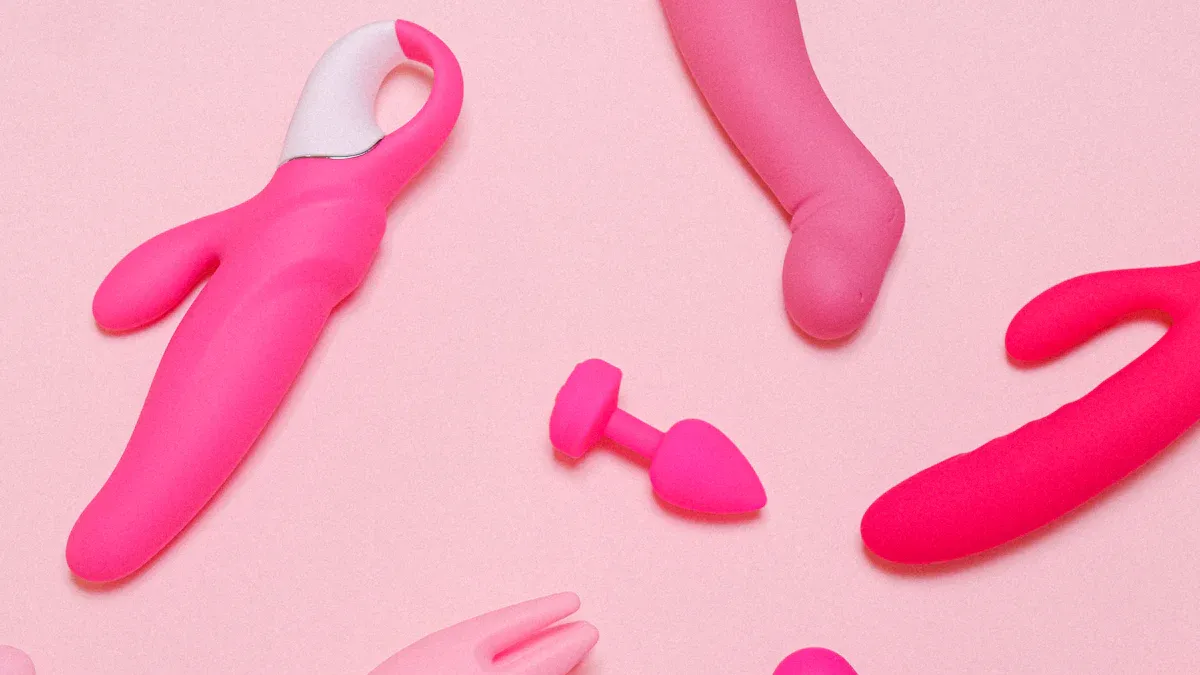
Technology in Sex Toys
App-Controlled Devices
You live in a world where technology shapes almost every part of your life, and sex toys are no exception. App-controlled devices have changed how you experience intimacy, especially if you’re in a long-distance relationship or want to explore new sensations. With these devices, you can use your phone to adjust vibration patterns, intensity, and even sync movements with music or videos. Some toys let your partner control them from anywhere in the world, making intimacy possible across continents.
You might find it fascinating that these interactive toys can connect with adult content or virtual reality, creating a fully immersive experience. For example, you can use a device that syncs with a video, so the sensations match what you see on screen. This technology helps couples feel closer, even when they’re apart. It also gives you more control over your pleasure, letting you experiment with different settings and discover what feels best.
Tip: Many app-controlled toys offer privacy features, so you can enjoy them safely and securely. Always check for encryption and user reviews before downloading any companion app.
Virtual Reality
Virtual reality (VR) has taken sexual exploration to a new level. You can put on a VR headset and step into a world where your fantasies come to life. When you pair VR with interactive toys, you get a multisensory experience that feels incredibly real. This technology benefits people who want to explore their sexuality in private, or those with physical limitations or social anxieties.
AI-powered toys can learn your preferences, adapting to your favorite speeds and patterns. Some devices even analyze your responses, helping you understand your body better. You might use a toy that responds to your voice or syncs with media, making every experience unique. These innovations show how technology can make pleasure more personal and accessible.
Here’s a quick look at some of the most significant technological advances in modern sex toys:
- AI and machine learning for personalized experiences
- Virtual reality for immersive sexual exploration
- App-controlled features for long-distance intimacy
- Inclusive design for diverse gender identities and body types
- Sustainable materials and eco-friendly production practices
Anal Beads and New Designs
Materials and Safety
You probably notice that modern sex toys look and feel very different from those of the past. New materials have made toys safer, softer, and easier to clean. Anal beads, for example, now come in medical-grade silicone, glass, and even biodegradable options. These materials help prevent irritation, allergic reactions, and the buildup of bacteria.
Check out this table to see how different materials improve safety and comfort:
| Material Type | Benefits | Safety Features |
|---|---|---|
| Medical-grade silicone | Soft, easy to clean, body-safe | Non-porous, prevents irritation and allergic reactions |
| ABS plastic | Firm, durable | Safe, does not harbor bacteria |
| Glass | Non-porous, can be heated or cooled for sensations | Safe, easy to clean |
| Biodegradable options | Reduces waste, breaks down naturally | Eco-friendly, often made from safe materials |
| Phthalate-free toys | Avoids harmful chemicals | Labeled for safety, prevents hormone disruption |
| FDA and CE certified | Meets strict safety standards | Passed rigorous testing for safety and effectiveness |
You can see that safety standards have become much stricter. Many toys now carry FDA or CE certifications, so you know they’ve passed rigorous testing. Anal beads and other new designs often feature ergonomic shapes, flexible materials, and easy-to-use handles, making them safer and more comfortable for everyone.
Inclusivity
Modern sex toy design celebrates diversity and inclusivity. You’ll find products that cater to all genders, orientations, and bodies. Brands now promote gender-neutral toys and listen to consumer feedback to create products that meet a wide range of needs. Anal beads, for instance, are available in different sizes, shapes, and materials, so you can choose what works best for you.
The market for sexual wellness products keeps growing, especially among younger people who value openness and self-care. Workshops, online communities, and social media platforms encourage you to explore your sexuality without shame. Designers work with health professionals and consumers to make sure toys are safe, effective, and inclusive.
Here are some ways the industry is becoming more inclusive:
- Brands promote gender-neutral and inclusive products.
- Consumer feedback shapes new designs.
- Collaboration among designers, health experts, and users improves safety and accessibility.
You can see this shift in marketing, product diversity, and even at industry conferences and hackathons, where inclusivity is a top priority. Some toys are designed for people who don’t want to associate pleasure with a specific gender identity, making sexual wellness more accessible for everyone.
Note: The global market for sexual pleasure devices is expected to reach over $40 billion soon, with a steady growth rate. This trend reflects the increasing acceptance of sexual wellness and the demand for innovative, inclusive products.
If you want to learn more about the latest trends and join the conversation, you can follow industry news on platforms like SexTechGuide or connect with communities on Reddit’s r/sex.
Changing Attitudes
From Stigma to Acceptance
Gender and Sexuality
You probably notice that talking about sex toys feels a lot less taboo than it did even a decade ago. People now discuss pleasure and intimacy more openly, both in private and public spaces. This shift didn’t happen overnight. You see it in the numbers: a 2023 survey found that men are buying sex toys online at higher rates than women in several countries, including France, the US, the UK, Germany, and Sweden. For example, 34% of French men reported purchasing sex toys digitally, compared to 27% of women. These numbers show that men are becoming more comfortable with sexual wellness products, and the old stigma is fading.
You also see big changes for women. Sex toys have become tools for empowerment. Academic research points out that these products help challenge old-fashioned ideas about women’s sexuality. When you use a sex toy, you take control of your own pleasure. This can break down stereotypes and encourage open conversations with partners. As a result, you help create a culture that values sexual liberation, gender equality, and acceptance of all kinds of sexual expression.
“Sexuality is a part of being human. Exploring it can lead to better understanding, stronger relationships, and more confidence.”
Education and Advocacy
Education plays a huge role in changing attitudes. You find more schools, health professionals, and advocates talking about sexual wellness in a positive way. Workshops, podcasts, and social media accounts now cover topics like consent, pleasure, and safe use of sex toys. These resources help you make informed choices and feel less alone in your curiosity.
Advocacy groups push for better sexual education and fight against shame. They encourage you to ask questions and seek out reliable information. You can find guides, Q&A forums, and even online courses that teach you about anatomy, safety, and communication. This open approach helps everyone—no matter their gender or orientation—feel seen and respected.
| Year | % of Men Buying Sex Toys Online (France) | % of Women Buying Sex Toys Online (France) |
|---|---|---|
| 2023 | 34% | 27% |
Online Communities
You don’t have to look far to find support and advice about sex toys. Online communities have become safe spaces where you can share experiences, ask questions, and learn from others. Forums, blogs, and social media groups let you connect with people who have similar interests or concerns. These platforms help normalize conversations about pleasure and break down the walls of shame.
Recent studies show that online sexual activities often lead to positive experiences. You might join a discussion on Reddit, read a personal story on a blog, or watch educational videos on YouTube. These activities help you feel more comfortable with your own sexuality. They also highlight the need for safe, user-friendly platforms and critical media literacy, so you can navigate digital spaces with confidence.
Tip: If you want to explore more, check out Reddit’s r/sex or follow sexual wellness educators on Instagram. You’ll find a welcoming community ready to answer your questions and support your journey.
As you see, changing attitudes come from many places—personal experience, education, advocacy, and the power of online connection. The journey from stigma to acceptance continues, and you play a part in shaping a more open and positive future.
Future Trends
Sustainability
Eco-Friendly Materials
You might wonder what’s next for sex toys. Sustainability is a huge trend shaping the future. You see more brands switching to eco-friendly materials, like recycled plastics and biodegradable silicone. These choices help reduce waste and make your experience safer for the planet. Ethical manufacturing is also gaining attention. Companies now focus on fair labor and environmentally conscious production, so you can feel good about your purchase.
Here are some ways the industry is going green:
- Toys made from recycled and biodegradable materials
- Factories using ethical practices and fair labor standards
- Recycling programs for old toys, making disposal responsible
You can find recycling programs that let you send back old toys instead of tossing them in the trash. This helps keep harmful materials out of landfills. Some companies even offer discounts if you participate. If you want to learn more about sustainable sex toy trends, check out resources from SexTechGuide or read articles on The Guardian.
| Sustainability Feature | Description | Benefit |
|---|---|---|
| Recycled materials | Toys made from repurposed plastics | Reduces landfill waste |
| Biodegradable options | Silicone and other materials break down | Less environmental harm |
| Ethical manufacturing | Fair labor and eco-friendly production | Supports workers, planet |
| Recycling programs | Return old toys for proper disposal | Responsible consumption |
Tip: Always check for certifications or eco-labels when shopping. These marks show that a product meets strict environmental standards.
Personalization
Personalization is changing how you shop for sex toys. You now have the power to customize products to fit your unique preferences. Advances in design and technology let you choose colors, materials, and even vibration patterns. This means you get a toy that feels just right for you.
Social media plays a big role in this trend. Platforms like TikTok and Instagram connect you with brands and other users. You can join polls, share feedback, and help shape new products. Brands listen to your opinions and use them to improve their offerings. Influencers also help you discover new options. In fact, 79% of buyers say influencer recommendations matter when making a decision.
Here’s how personalization is making waves:
- Customizable toys let you pick colors, shapes, and features
- Interactive polls on social media help brands learn what you want
- Influencer reviews build trust and guide your choices
- Customer feedback shapes future designs
Customer reviews are more important than ever. When you read about someone’s experience with a customizable toy, you feel more confident in your choice. Positive reviews that mention specific features help you decide what works best for you.
| Personalization Feature | How It Works | Why It Matters |
|---|---|---|
| Custom colors and shapes | Choose your favorite look and feel | Matches your style |
| Adjustable settings | Set vibration, intensity, and patterns | Tailors pleasure |
| Social media engagement | Join polls, share feedback | Brands listen to you |
| Influencer recommendations | Trusted voices share honest reviews | Builds confidence |
| Customer reviews | Real users describe their experiences | Informs your decision |
Note: You can follow trends and join conversations on platforms like Instagram or TikTok. These communities help you stay updated and find products that match your needs.
You shape the future of sex toys every time you share your opinion or try something new. Sustainability and personalization are leading the way, making your experience safer, greener, and more enjoyable.
You’ve seen how sex toys evolved from ancient stone artifacts to today’s smart, inclusive designs. This journey reflects changes in technology, society, and culture. Online communities make these products more visible, but personal conversations still shape attitudes. Cultural shifts and new consumer trends drive innovation, especially around female sexuality and empowerment.
| What’s Next? | Description |
|---|---|
| Tech Integration | Smart features like Bluetooth and AI for personalized experiences |
| Gender-Neutral Design | Products for all bodies, moving away from gendered branding |
| Sustainability | Biodegradable materials and eco-friendly packaging |
| Mental Health & Wellness | Sex toys as tools for self-care and therapy |
You can expect even more acceptance and creativity in the future.
FAQ
What is the oldest known sex toy?
Archaeologists found the Hohle Fels phallus in Germany. This stone object dates back about 28,000 years. You can see it as proof that people have explored pleasure since ancient times.
Are sex toys legal everywhere?
Laws vary by country and state. In many places, you can buy and use sex toys without issue. Some regions still have restrictions, so always check local laws before purchasing.
How do you clean sex toys safely?
You should wash most toys with warm water and mild soap. For non-porous materials like silicone or glass, cleaning is easy. Always check the instructions for your specific toy. Never share toys without cleaning them first.
Are sex toys only for certain genders?
No. Sex toys are for everyone. You can find products designed for all bodies and identities. Many brands now create gender-neutral options, so you can choose what feels right for you.
What materials are safest for sex toys?
Medical-grade silicone, glass, and ABS plastic are safe choices. These materials are non-porous and easy to clean. Avoid toys with phthalates or unknown ingredients. Look for safety certifications if possible.
Can sex toys improve your sexual health?
Yes! Sex toys can help you learn about your body, boost confidence, and enhance intimacy. Many people use them for self-care or to explore new sensations with partners.
How has technology changed sex toys?
You now see app-controlled devices, smart features, and even toys that sync with music or videos. Technology makes it easier to personalize your experience and connect with partners, even from a distance.
What should you consider before buying a sex toy?
Think about material, size, and how you want to use it. Read reviews and check for safety certifications. If you have questions, online communities and educational resources can help you decide.